Coastal Landscaping Types in Pompano Beach
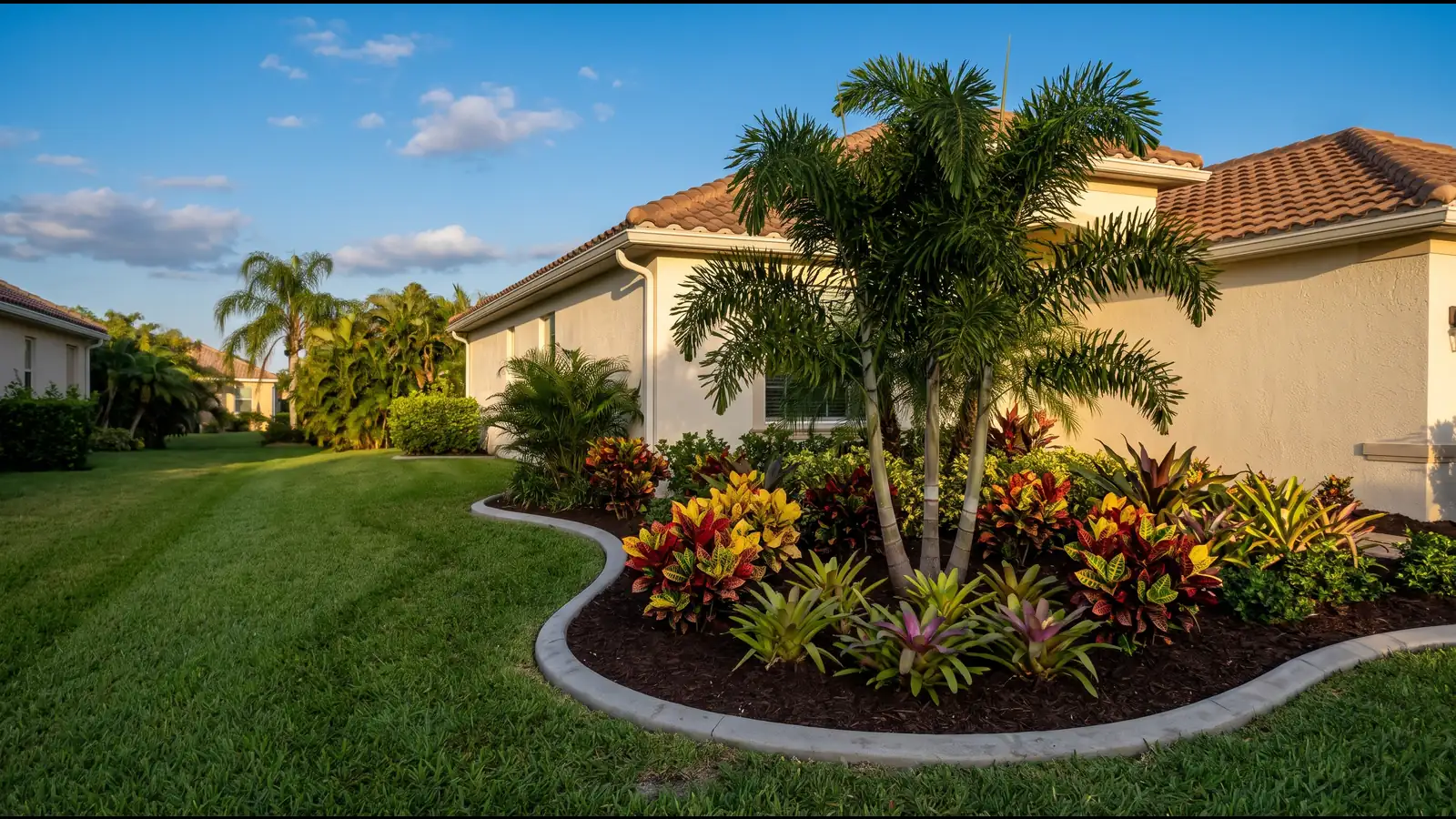
The closer a yard sits to salt water, the narrower the plant list gets. UF/IFAS lists the coastal problems as wind, salt and sandy, high-pH soil, and anyone within a couple of miles of salt water can see salt-spray damage.
Beachfront and Dune-Side Yards
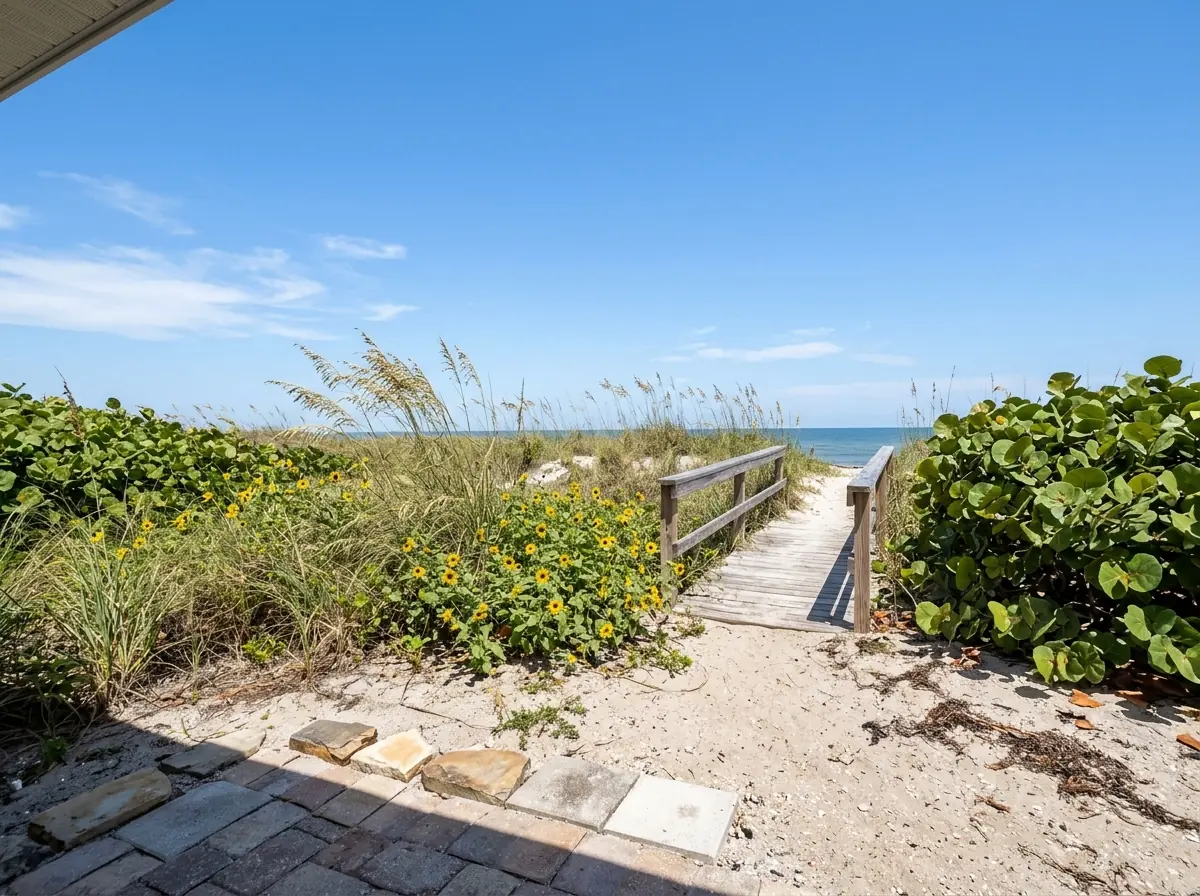
Dune plants hold the sand in place. That's the stated purpose of Florida Statute 161.242, which protects sea oats and sea grapes from cutting or removal without the landowner's consent; nursery-grown plants of both can still be bought and planted. For a flowering groundcover, use the east coast beach sunflower, Helianthus debilis subsp. debilis: UF/IFAS warns that west coast forms can hybridize with the local one.
- Beach sunflower: 2 to 4 feet tall and wide, high salt-spray tolerance
- Avoid beach naupaka, a Category 1 invasive on dunes, and check that a Scaevola labeled as native inkberry really is
First-Line Salt-Spray Beds
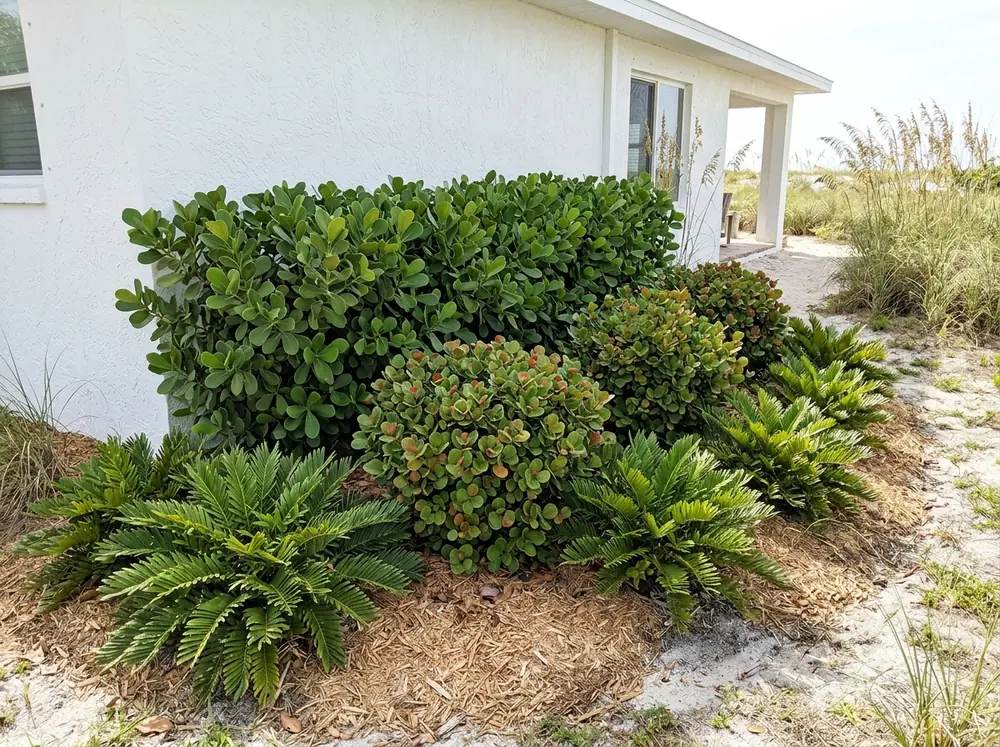
The beds that take the wind straight off the water need the toughest plants:
- High salt: clusia (pitch apple), cocoplum, beach sunflower
- Moderate salt: coontie, wild coffee, firebush
- Keep back from the beach: ti plants (no salt tolerance), bird of paradise (light spray only)
On lawns, St. Augustine has relatively good salt tolerance; see grass choices.
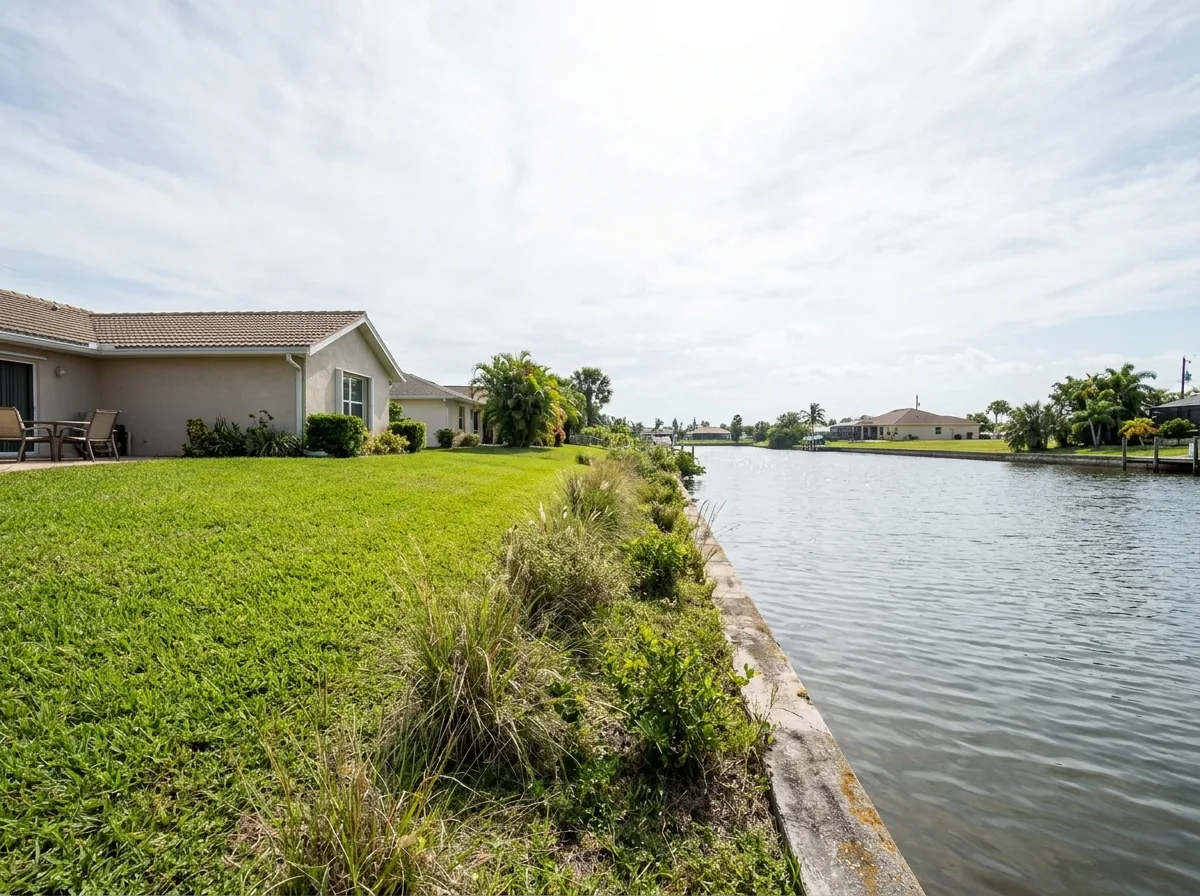
Canal and Intracoastal Yards
Pompano Beach sits on the Atlantic, and the nearby Hillsboro Inlet is part of the Atlantic Intracoastal Waterway. On a lot that backs onto a canal or the Intracoastal, palm choice narrows: UF/IFAS says only a few species tolerate brackish water on their roots. Along the seawall, its Florida-Friendly guidance calls for a strip at least 10 feet wide with no mowing, fertilizer or pesticides, planted with low-maintenance Florida-Friendly plants, and no fertilizer within 10 feet of the water anywhere.
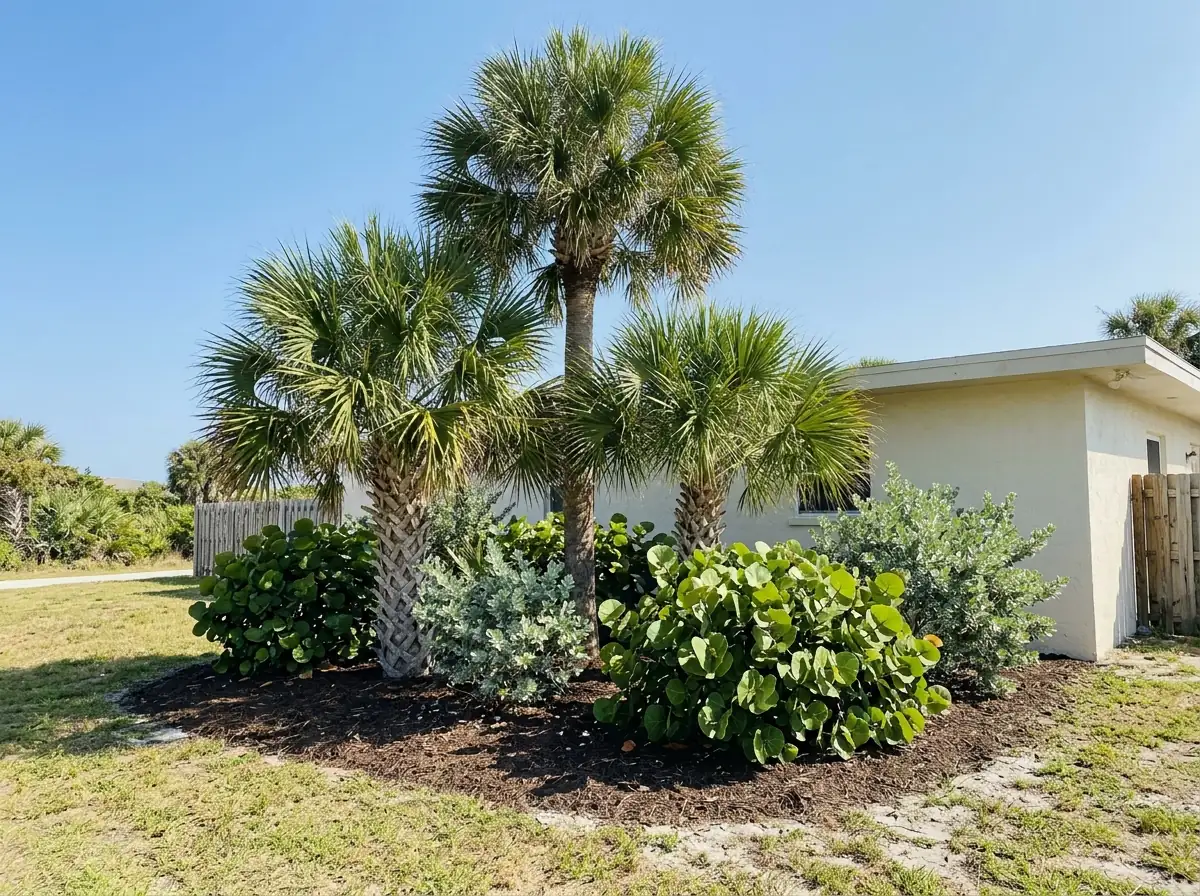
Wind-Resistant Planting
UF/IFAS's hurricane surveys rank species by wind resistance:
- Highest: sabal palm, cocoplum, buttonwood, gumbo limbo, pygmy date palm
- Medium-high: sea grape, coconut, royal palm
- Medium-low: wax myrtle
- Lowest palm: queen palm, by expert ranking
Palms overall survived Hurricane Charley at 88%, against 77% for other trees.
Why Pompano Beach homeowners call Pompano Landscaping
- One independent landscaper calls back, not a list of five
- You pay nothing to send a request
- Ask for plant species, sizes and sod square footage on the quote
- Ask who books the 811 locate and pulls any tree permit
What Changes on a Coastal Quote
Plant list
Expect the quote to name salt-tolerant species by bed, and ask why if a bed facing the water includes a plant UF/IFAS rates low for salt.Soil
UF/IFAS names sandy, high-pH soil as one of the three coastal problems, so check each plant on the list is suited to it.Wind
Near the house and pool, ask for species from UF/IFAS's highest wind-resistance group above.Water
Even salt-hardy plants need watering in; new plantings get the city's extra watering days for 90 days.Palms
Brackish groundwater and wind decide the species; planting standards are on the palm installation page.Fertilizer
Feeding near the water follows the local fertilizer rules plus the 10-foot setback above.
For a whole-yard plan built around natives, see native plant landscaping.