Palm Tree Installation Types in Pompano Beach
Species and size set most of the price. HomeGuide's palm-only figures below leave out delivery and planting, so labor and bracing come on top.
Foxtail Palms
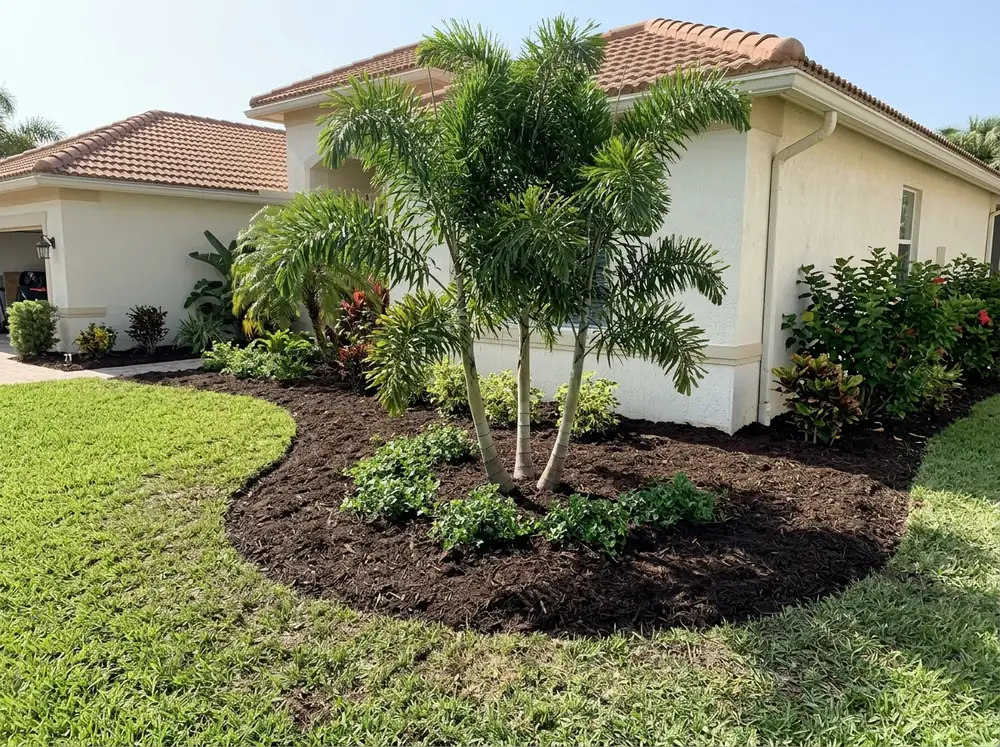
For a container-grown foxtail, UF/IFAS says to measure depth from the root-shoot interface, not the top of the potting soil, and to leave about an inch of soil over it.
- Palm only: $60 to $100 small, $100 to $350 large (HomeGuide)
Royal Palms
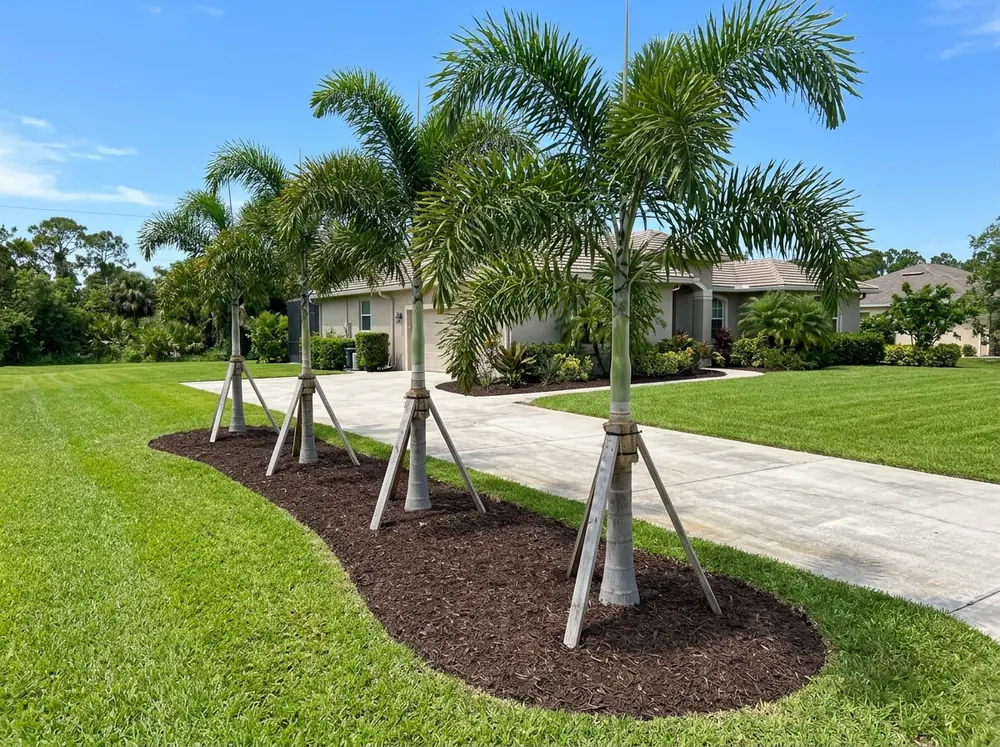
UF/IFAS rates royals medium-high for wind resistance and recommends a root ball at least 1 to 2 feet out from the trunk when one is dug from a field.
- Palm only: $60 to $150 small, $450 to $650 large (HomeGuide)
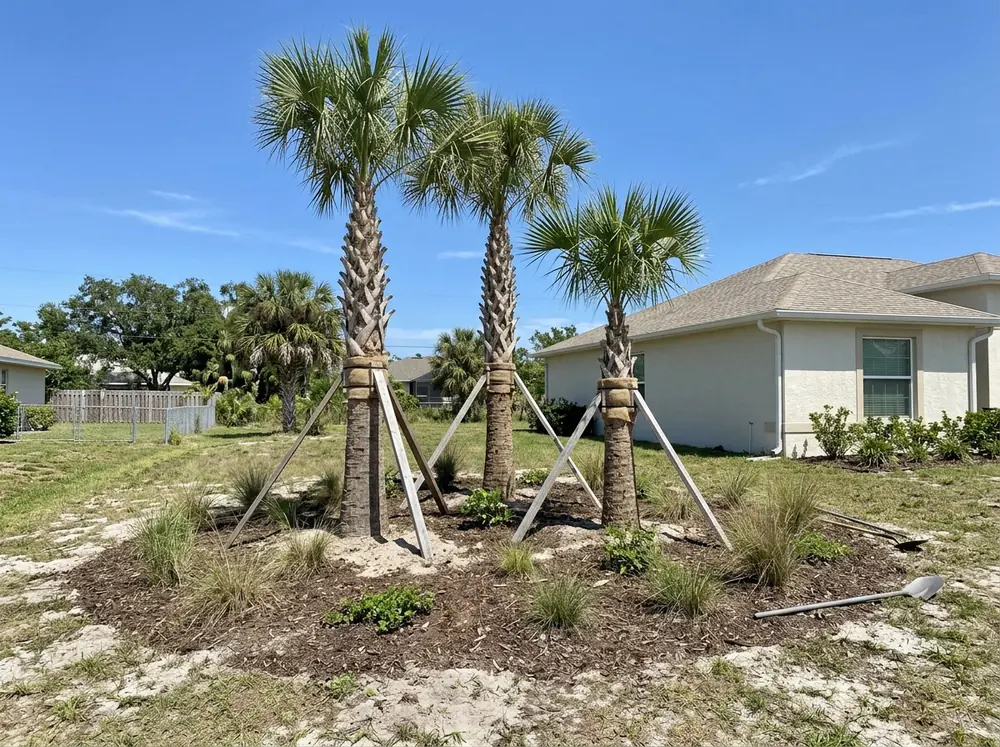
Sabal Palms
The cabbage palm is on UF/IFAS's highest wind-resistance list. Buy trunked ones: juveniles without a trunk have no root-initiation zone and seldom live through transplanting.
- Palm only: $60 to $450 small, $300 to $900 large (HomeGuide)
- Palm Beach County's 2026 list averaged $165 wholesale for a sabal with 8 feet of clear trunk
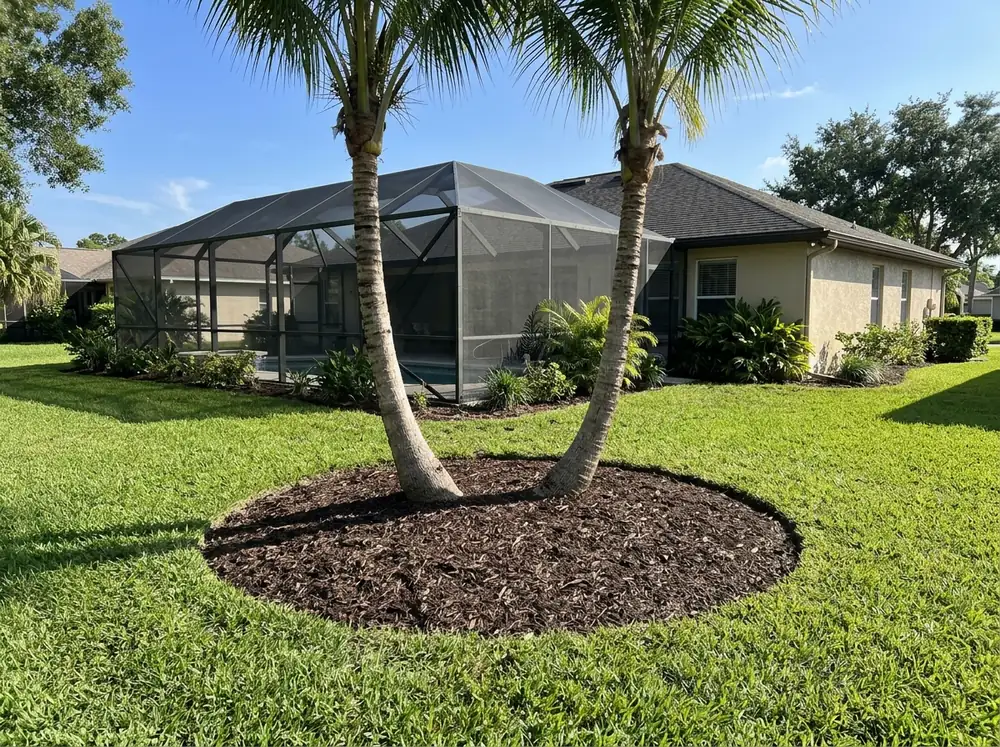
Coconut Palms
About half of a coconut's cut roots survive and keep growing, UF/IFAS found, so a large root ball buys little. Wind resistance is medium-high.
- Palm only: $80 to $150 small, $500 to $1,000 large (HomeGuide)
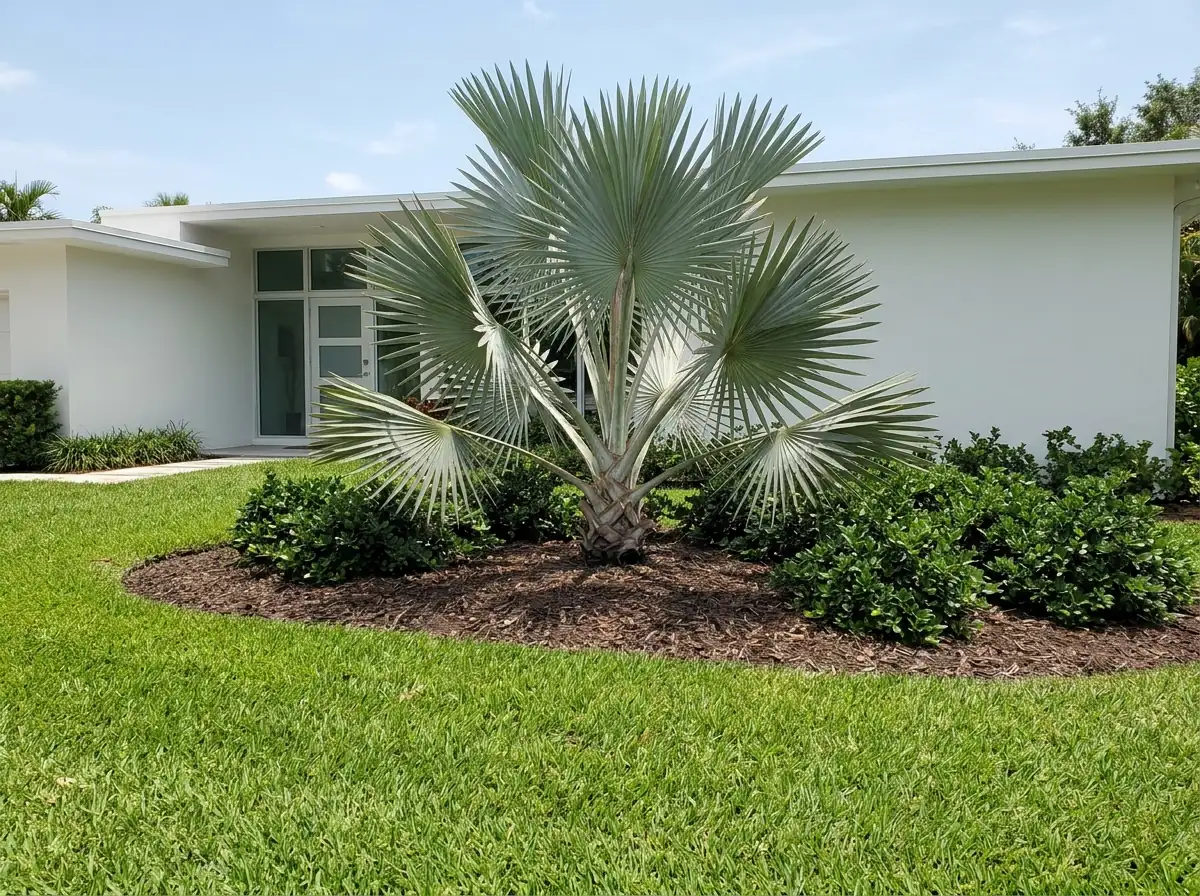
Bismarck Palms
UF/IFAS calls Bismarckia valuable but difficult to transplant. Growers often root-prune it four to six weeks before digging, so ask the supplier whether that was done.
- Palm only: $120 to $200 small, $200 to $500 large (HomeGuide)
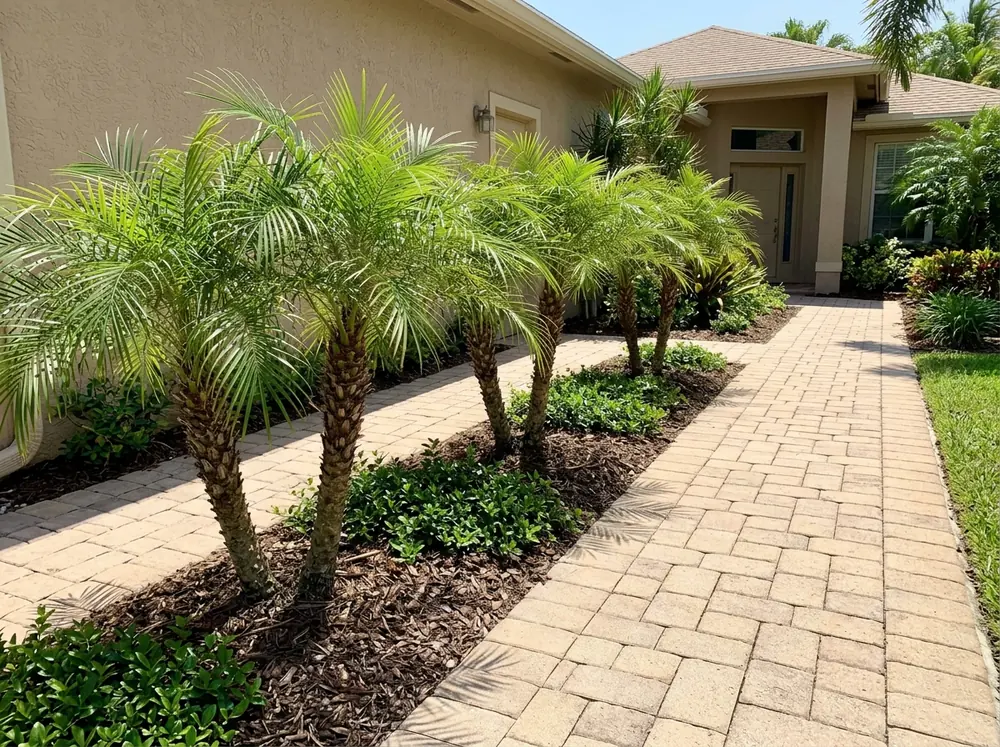
Pygmy Date Palms
Pygmy dates sit on UF/IFAS's highest wind-resistance list. The university's planting-depth research was done on pygmy dates: palms set too deep grew poorly.
- Palm only: $60 to $150 small, $150 to $450 large (HomeGuide)
Why Pompano Beach homeowners call Pompano Landscaping
- One independent landscaper calls back, not a list of five
- You pay nothing to send a request
- Ask for plant species, sizes and sod square footage on the quote
- Ask who books the 811 locate and pulls any tree permit
How Pompano Beach Wants a Palm Planted
The city's Urban Forestry office publishes a palm planting detail (drawing 100-1, January 2025). It's a fair checklist for any quote:
Root ball level
Set even with finished grade on undisturbed soil, with burlap pulled back from the top and no twine, wire or burlap left on the ball.Hole width
Twice the widest dimension of the root ball.Bracing
Three 2x4 braces minimum, 120 degrees apart, attached at a third of trunk height or higher to battens held by steel banding over three layers of burlap, not nails.Saucer and mulch
A 4 to 6 inch saucer twice the root ball's width, and 3 inches of mulch kept 2 inches off the trunk.
UF/IFAS adds three points worth asking about: lift with nylon slings, never chains; untie the fronds once the palm is in; and skip amended backfill, which research shows does nothing for palms. Avoid high water table spots, or build a sand berm to plant on.
Tree Permit Checks Before a Palm Goes In
If an existing tree has to be moved or replaced to make room, check the permit first. Pompano Beach handles tree permits through its Office of Urban Forestry:
- Single-family owners may file their own application with a signed Owner-Builder Affidavit; every other property needs a licensed tree contractor to apply.
- The application includes an assessment listing each tree's number, size, condition, status and dollar value, and takes up to 10 business days.
- Fees double for work done without a permit, and replacement trees are decided at the inspection.
Relocating a palm or tree follows the city's relocation spec, which requires the ANSI A300 Part 6 transplanting standard and a feasibility assessment first. Once planted, the palm counts as new planting under the extra watering days, and the root ball shouldn't dry out for about a year.
See the tropical plants that pair with palms for underplanting.