
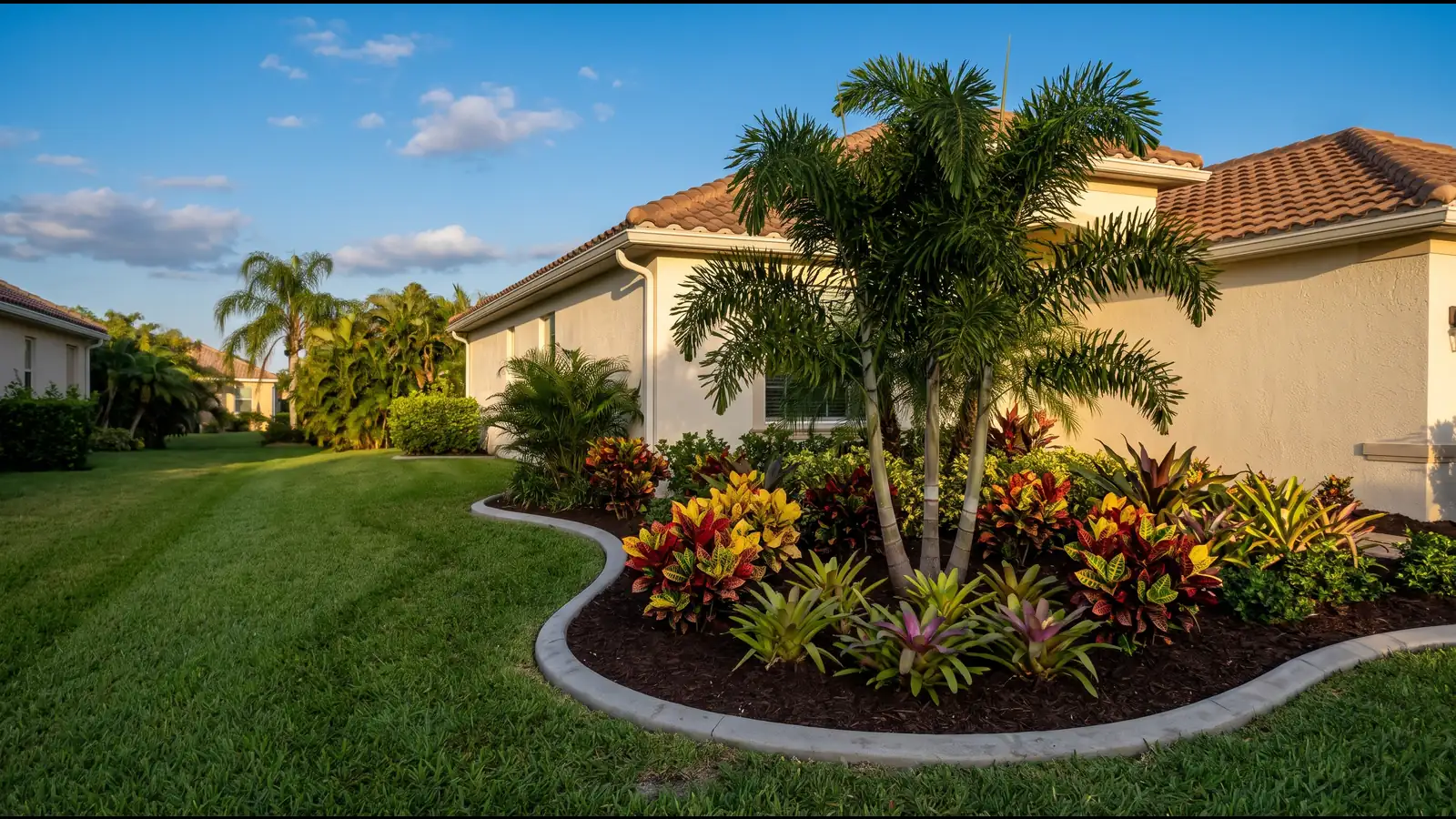
Lawn Fertilization and Weed Control Types in Pompano Beach
Most lawn programs bundle feeding, weed control and insect checks into visits through the year. HomeAdvisor's weed-control subscriptions save 10% to 15% a year over single visits. Each part is priced and timed differently.
Fertilization Programs
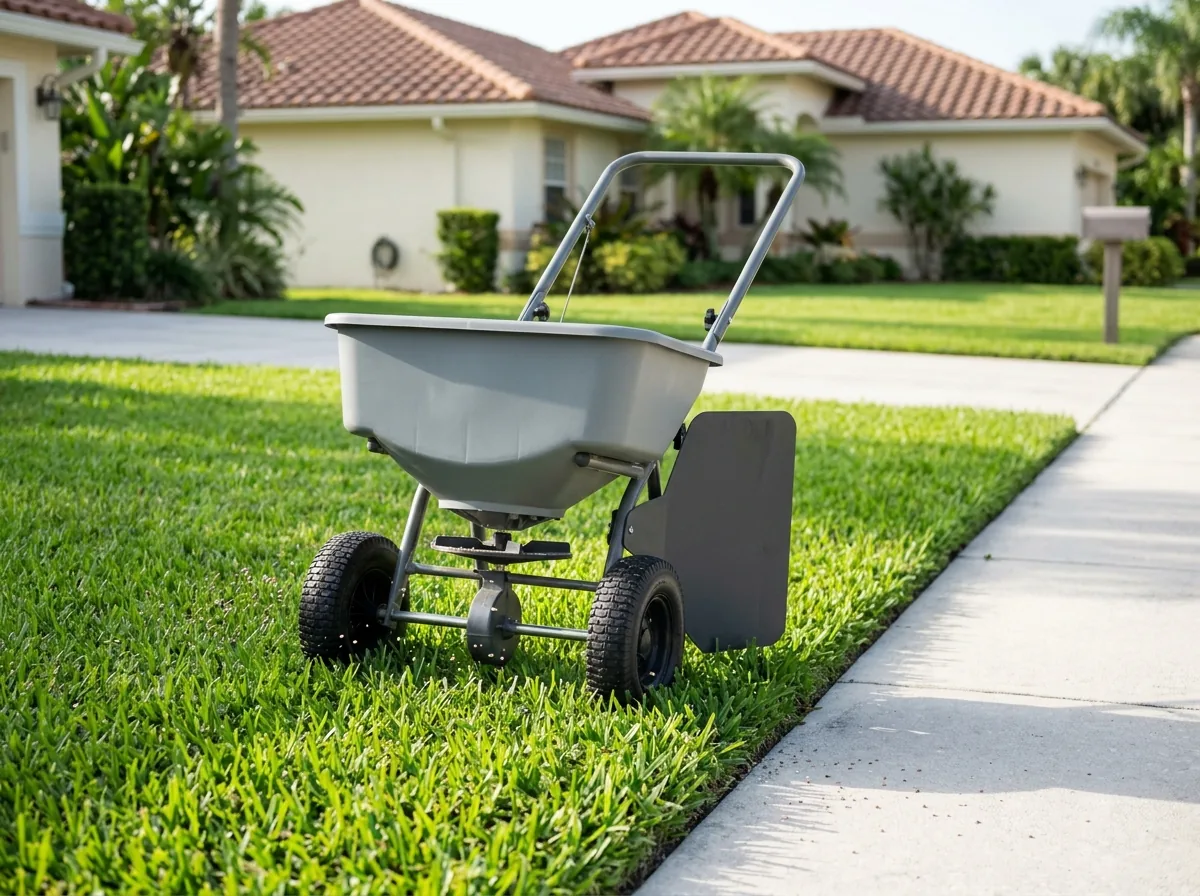
A program is a schedule of feedings set by grass type, sun and soil. Florida's urban turf rule caps a single feeding at 2 pounds of nitrogen per 1,000 square feet in spring or summer, and only with at least 65% slow-release nitrogen. No more than 0.7 pound of quick-release nitrogen can go down at once (UF/IFAS). Slow-release also matters for pests: UF/IFAS links large doses of inorganic nitrogen to fast growth and more chinch bug damage.
- Per application: $0.02 to $0.08 a square foot (Fixr)
- Granular feeding: $140 to $350; liquid: $150 to $475 (HomeAdvisor)
Weed Control
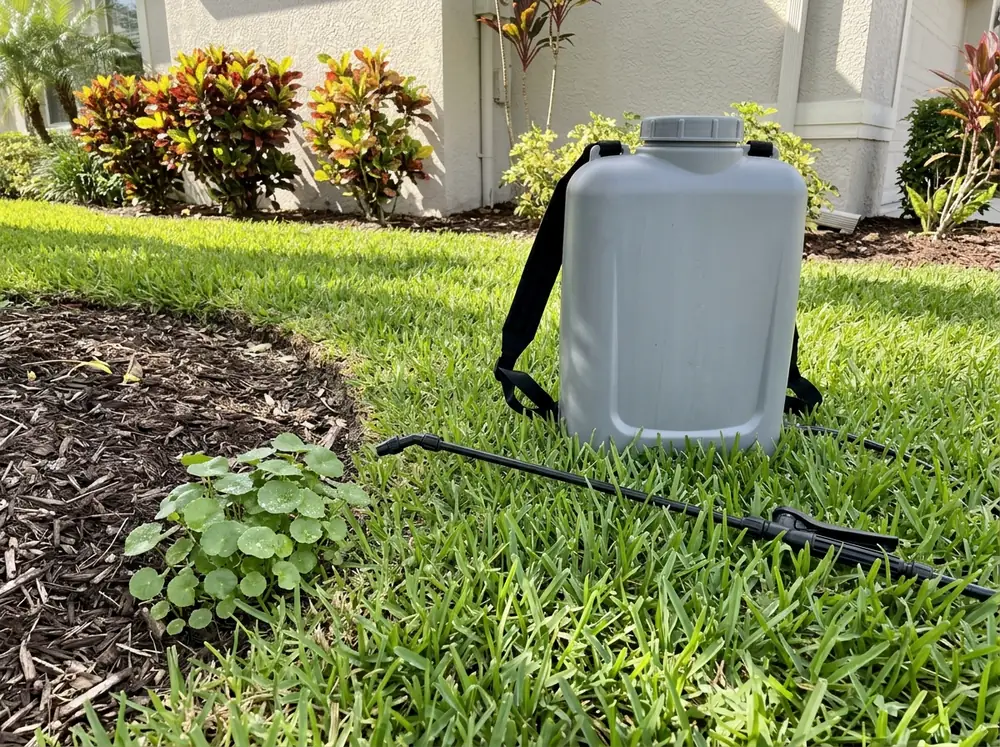
UF/IFAS times crabgrass pre-emergent for February 1 in south Florida. It does nothing to weeds already growing. Post-emergent sprays shouldn't go on drought-stressed turf or when it's above 85°F. Dollarweed and sedges thrive in soil that stays wet, so if they keep spreading, have the sprinklers checked too.
- Pre-emergent: $60 to $150 a treatment; post-emergent: $75 to $170 (HomeAdvisor)
- Spraying up to 10,000 square feet: $50 to $125 (HomeGuide)
- Hand-pulling in beds: $50 to $100 an hour (HomeGuide)
Chinch Bug and Lawn Insect Treatment
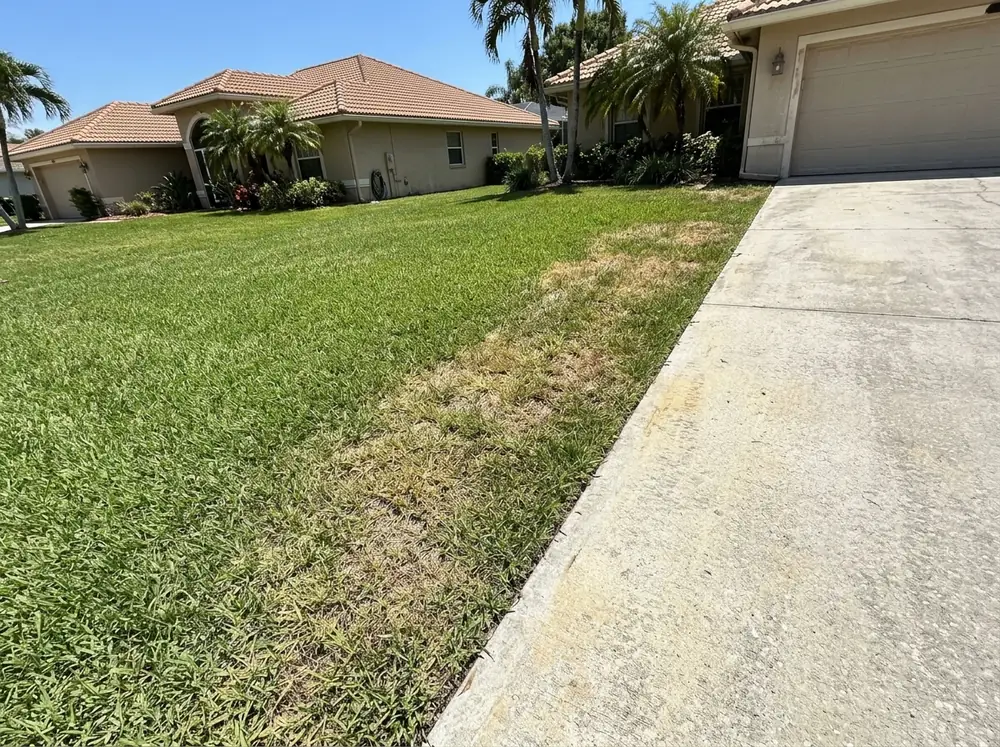
The southern chinch bug is the main insect pest of St. Augustine, and UF/IFAS records the worst damage in Florida's central and southern counties. Floratam has largely lost its resistance. Damage shows as yellowish to brown patches in sunny, dry spots by pavement and walls. One treatment may only hold them back for a while, repeat applications may be needed, and some populations resist pyrethroid insecticides, so ask what the tech rotates to. Webworms, armyworms, mole crickets and white grubs also feed on St. Augustine.
- Grub treatment: $30 to $80 (HomeAdvisor)
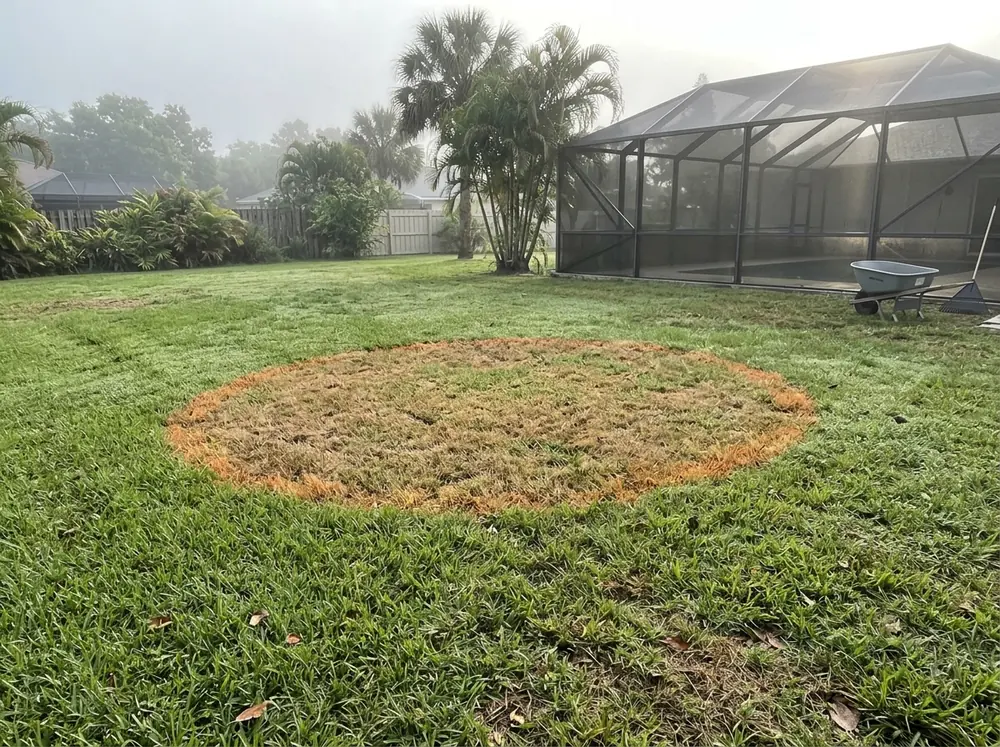
Lawn Fungus
Two diseases do most of the damage on St. Augustine, per UF/IFAS. Large patch shows in spring and fall in warm, humid weather and is fed by too much nitrogen. Gray leaf spot hits new growth in the summer rainy season. Both respond to fungicides. When they keep coming back, UF/IFAS says overwatering and heavy nitrogen may be to blame.
- Fungus-control fertilizer: $110 to $325 an application (HomeAdvisor)
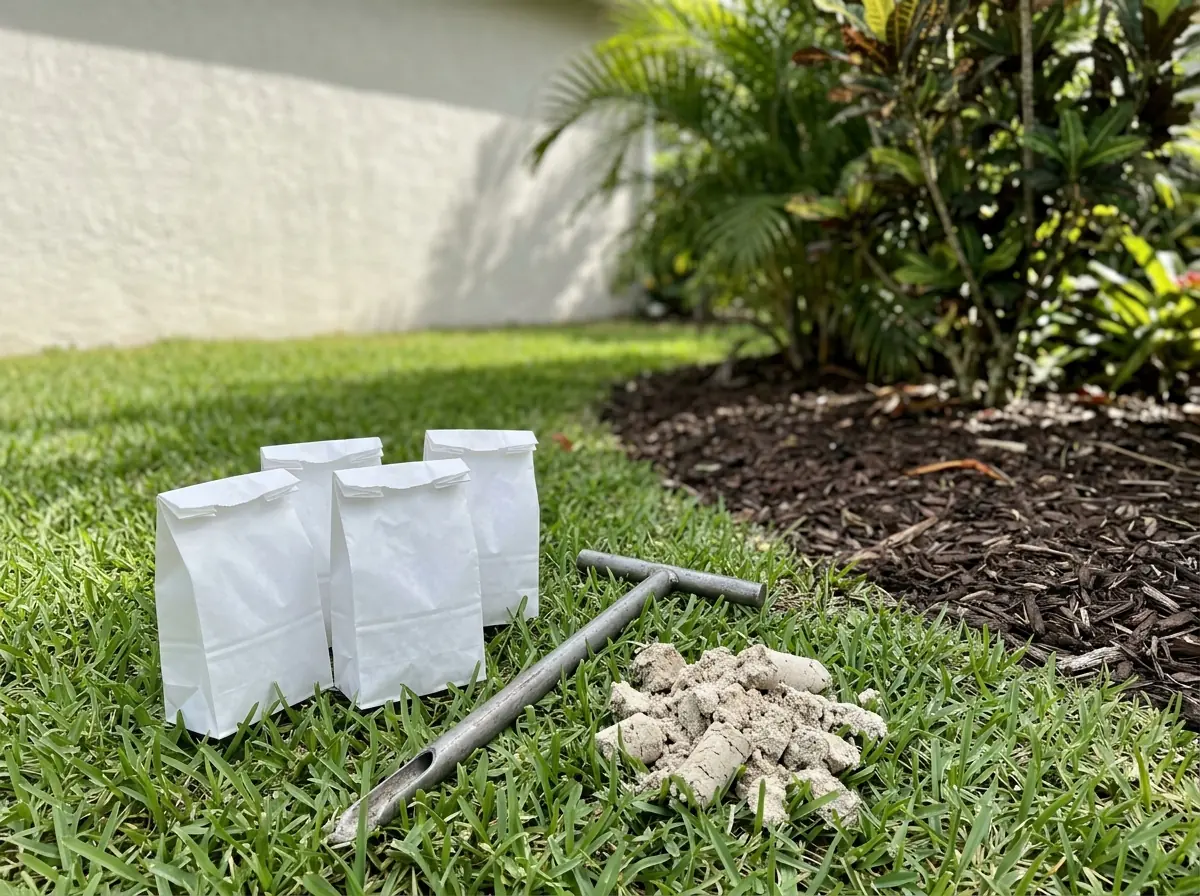
Soil Testing
UF/IFAS recommends a soil test before planting, or when you buy a home with an existing lawn, to check pH and salinity. Local UF/IFAS Extension offices supply instructions and kits for the university's soil lab. Phosphorus is best judged by a test, and on soils above pH 7.0, yellow grass may be short of iron or manganese rather than nitrogen.
- Soil test: $10 to $30 (HomeAdvisor)
Why Pompano Beach homeowners call Pompano Landscaping
- One independent landscaper calls back, not a list of five
- You pay nothing to send a request
- Ask for plant species, sizes and sod square footage on the quote
- Ask who books the 811 locate and pulls any tree permit
Fertilizer Rules for Pompano Beach Lawns
Florida law encourages every county and city to adopt the state's model ordinance for Florida-friendly fertilizer use, and requires it where nutrients have impaired a local water body. Whether a summer ban applies depends on the city:
Pompano Beach
UF/IFAS's statewide fertilizer ordinance database lists no ordinance for the city. We found no city fertilizer blackout and can't confirm one.Broward County
The county's rule (Sec. 39-92, adopted 2017, per the same database) applies to unincorporated areas and county property. It requires best-practice training and a certificate holder on site during application, and lists no restricted period.Fort Lauderdale
Its own ordinance bars nitrogen and phosphorus fertilizer from June 1 to September 30 and keeps fertilizer 10 feet from water bodies (3 feet with a deflector shield). That applies inside Fort Lauderdale, not here.
Ask the tech what goes down each month and why, and check with the city if a rule may have changed.
Certifications to Ask a Lawn Treatment Tech About
Fertilizer
Florida requires a limited certification for urban landscape commercial fertilizer application from the Department of Agriculture and Consumer Services for anyone fertilizing lawns for pay. It requires a state best-practice training certificate and renews every four years. Yard workers using the owner's own fertilizer and spreader are exempt.Weeds and insects
That certificate doesn't authorize pesticides on turf. A separate limited certification lets landscape maintenance workers apply herbicides in beds, driveways, sidewalks and patios and treat ornamentals with caution-label pesticides. Ask which license covers spraying the lawn itself.
For grass choice, see St. Augustine and zoysia cultivars.