
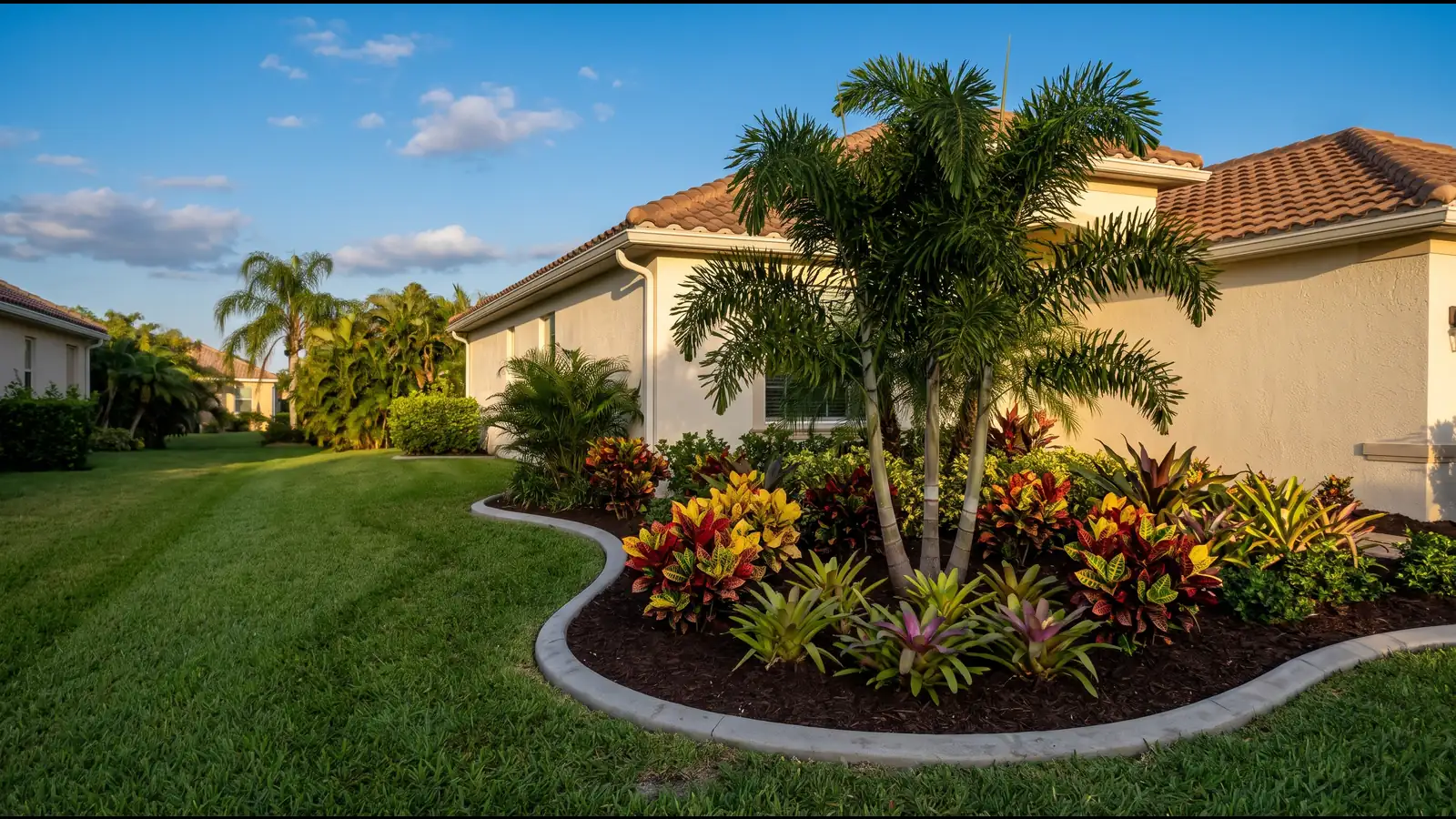
Florida-Friendly Landscaping Types in Pompano Beach
UF/IFAS teaches nine Florida-Friendly principles, from watering efficiently to protecting the waterfront. The project types below are where most of them get built into a yard.
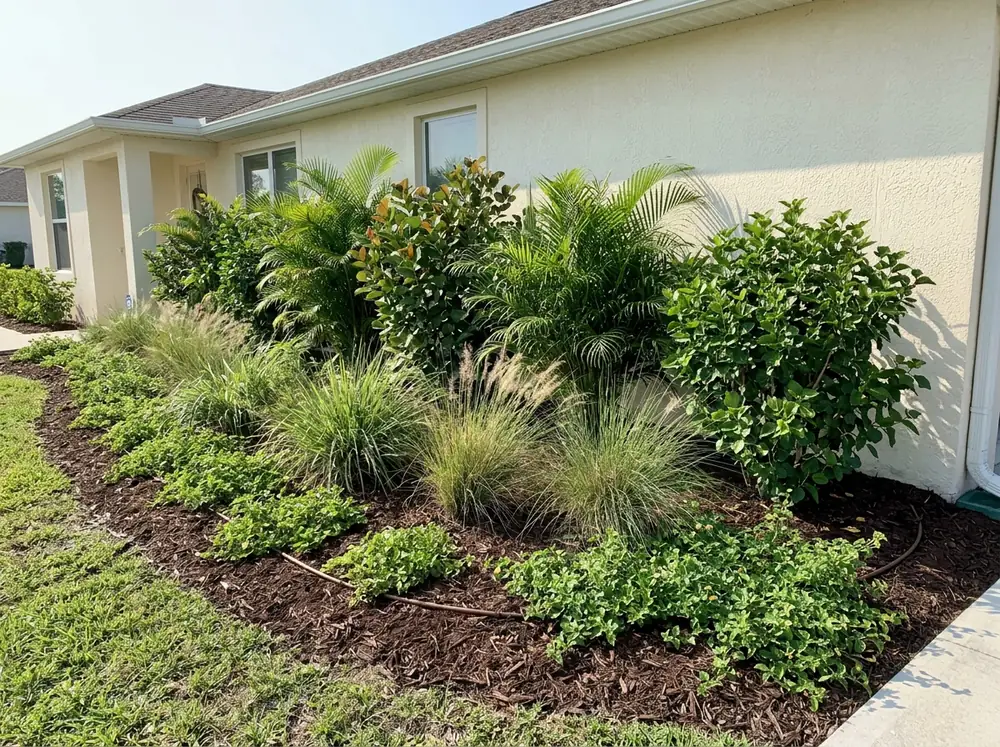
Right Plant, Right Place Beds
Plants chosen for the spot need little irrigation, fertilizer or pest control once established. UF/IFAS says to note the wet and dry spots, group plants by water need, and plan for each plant's mature size before buying it.
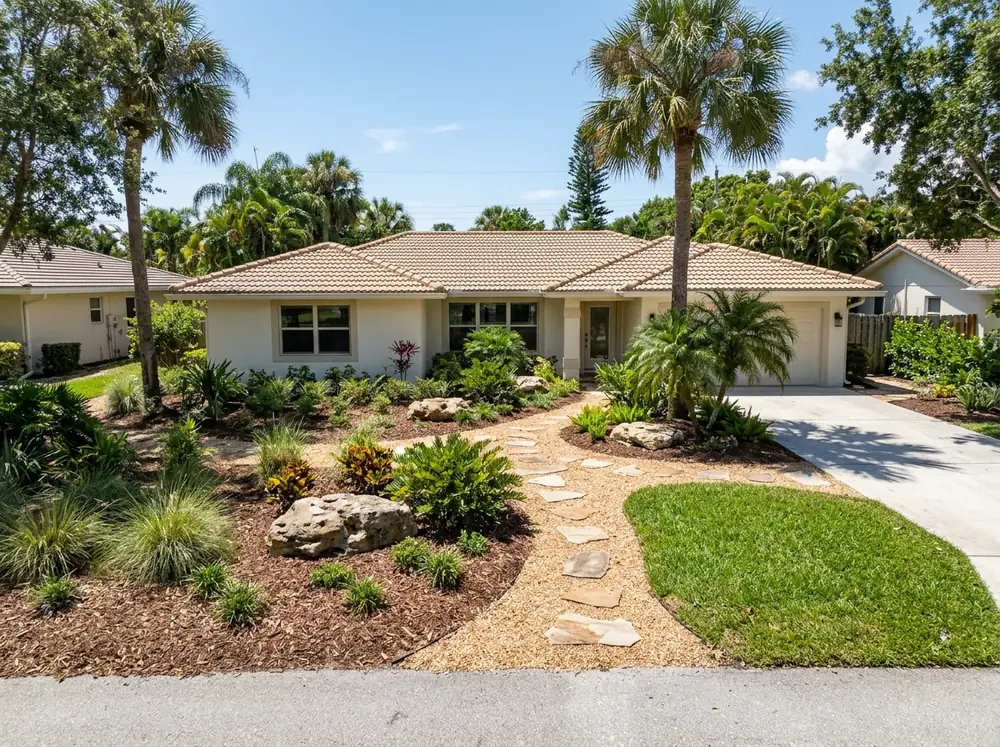
Xeriscape and Drought-Tolerant Yards
A xeriscape here mixes drought-tolerant plants, mulch and some gravel, watered by drip lines rather than spray heads. Fixr's sample covered 1,200 square feet for about $17,000.
- Per square foot: $5 to $20 (HomeAdvisor, Fixr)
- Drip system: $1,800 to $2,500 (HomeAdvisor)
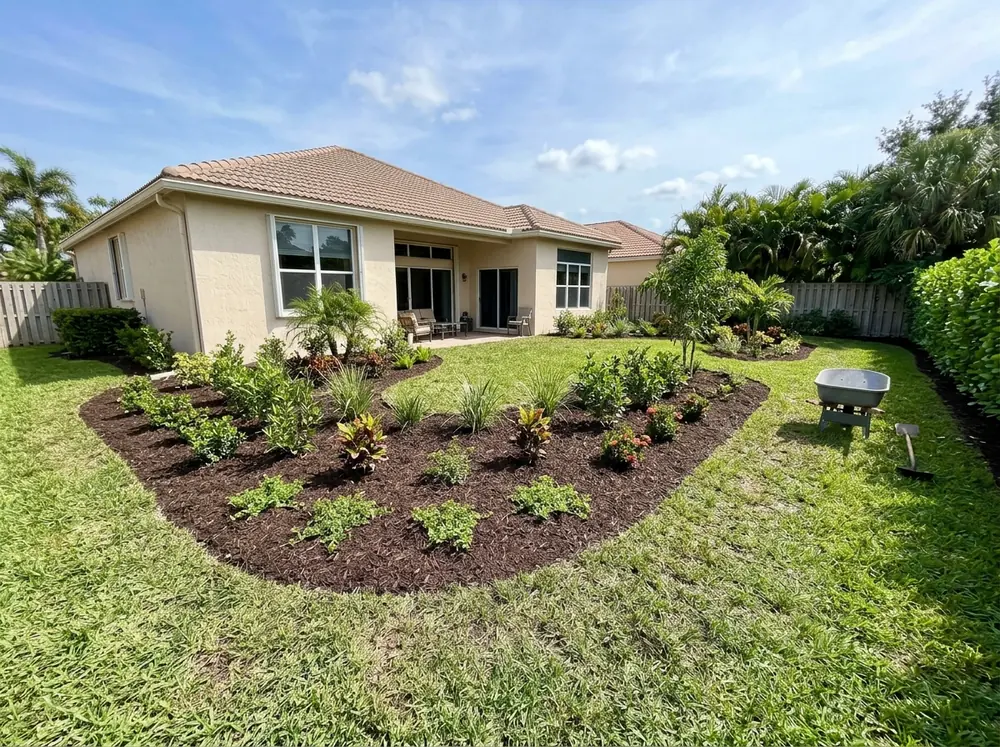
Turf Reduction
Keep grass where people walk and play, and turn the rest into beds. UF/IFAS suggests replacing grass with mulch in shady spots where it won't grow, and watering what's left only when at least half the lawn shows wilt. For lawn that stays, see grass types for shade.
Rain Gardens
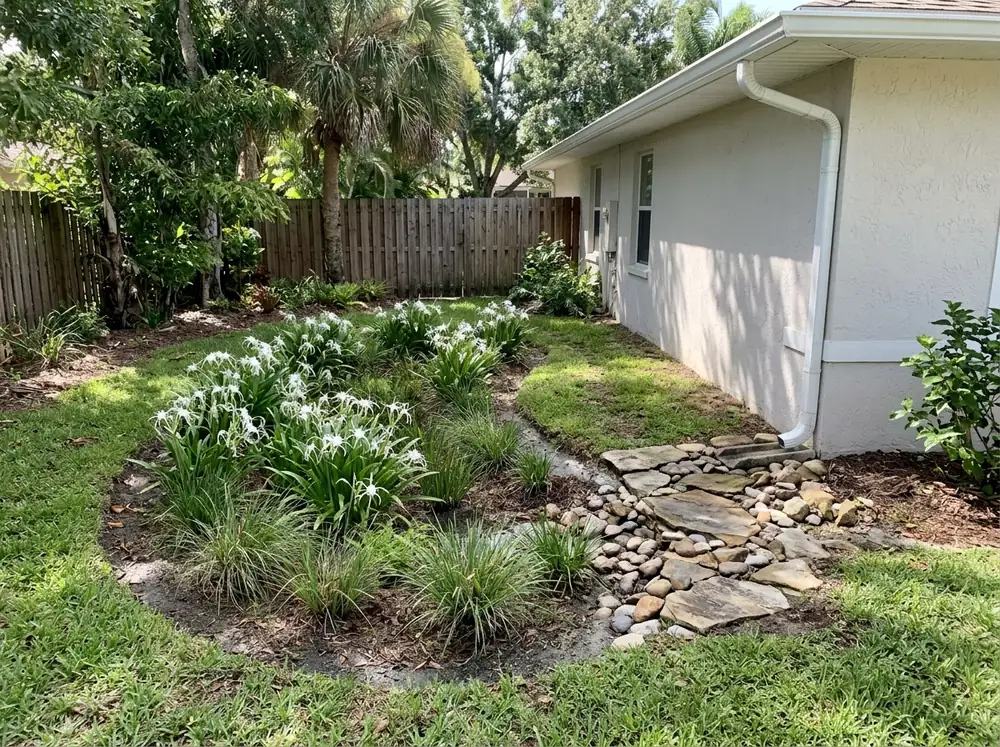
A shallow planted basin that catches runoff from roofs and paving and lets it soak in. UF/IFAS siting rules:
- 4 to 8 inches deep
- At least 10 feet from the house, 25 feet from a septic tank or well
- Plants that take both flooding and drought, such as spider lily (zones 10 to 11)
Florida-Friendly Yards Under HOA Rules
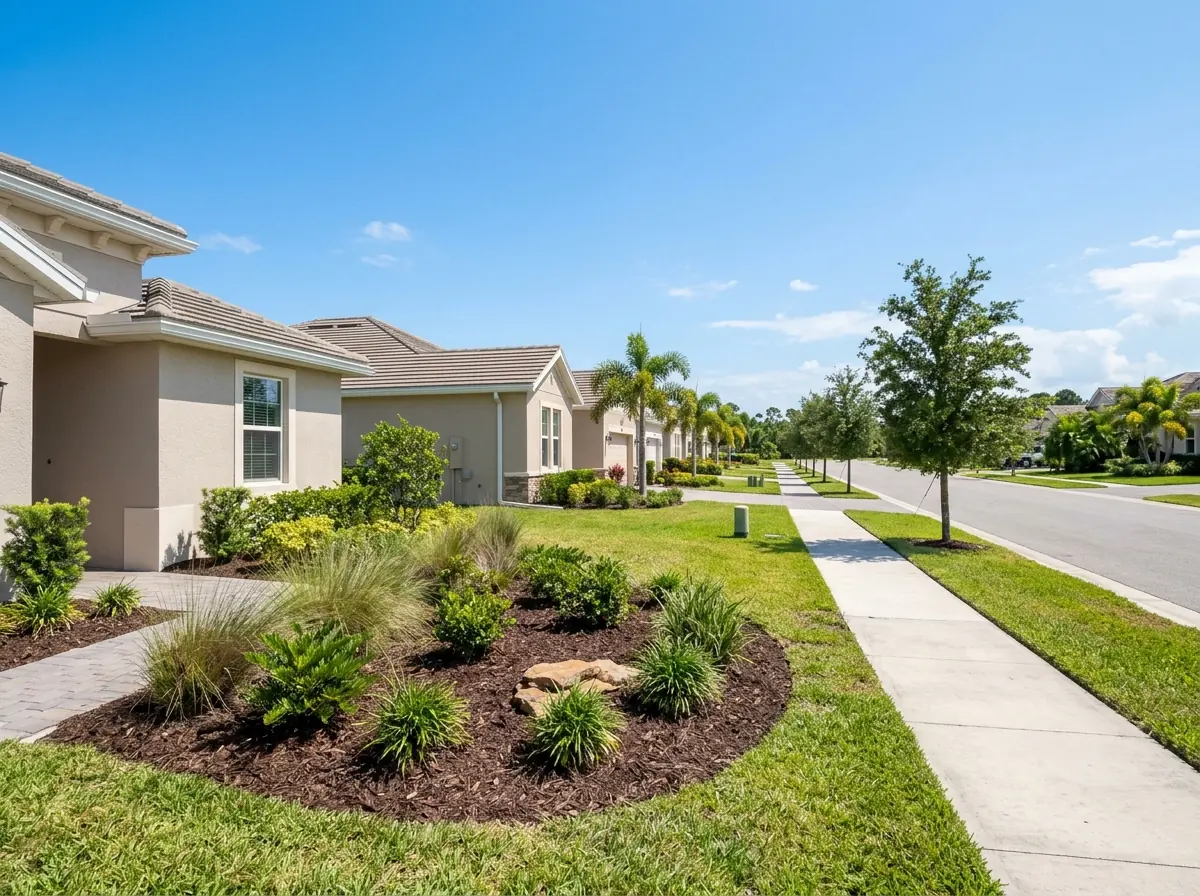
The statutes stop a ban; they don't describe a board's design review. Bring a drawing and a plant list to the board, and see how HOA landscape review works for the process side.
Why Pompano Beach homeowners call Pompano Landscaping
- One independent landscaper calls back, not a list of five
- You pay nothing to send a request
- Ask for plant species, sizes and sod square footage on the quote
- Ask who books the 811 locate and pulls any tree permit
Florida-Friendly Law in Pompano Beach
Florida Statute 373.185 defines Florida-Friendly landscaping as "quality landscapes that conserve water, protect the environment, are adaptable to local conditions, and are drought tolerant." It then says:
Deed restrictions and covenants
may not prohibit an owner from installing it, or be enforced to do so.Local government ordinances
may not prohibit it either.HOA documents
(declarations, articles, bylaws) may not prohibit it under 720.3075(4)(b), and may not create requirements that conflict with state water law, a water shortage order or a district rule.
The protection covers landscapes that meet that definition, not any change an owner wants. A plan that follows the nine principles makes the case easy to show.
Where the Money Goes on a Conversion
Fixr's 1,200 square foot example breaks the job into steps:
Design
$2,000 to $7,000, or $200 to $300 an hourRegrading
$1,200 to $2,400Plants
$3,000 to $4,000 for established materialLabor share
60% to 75% of the total
Fertilizer goes on under the local fertilizer rules, and UF/IFAS adds one rule for every yard: never fertilize within 10 feet of any water body. On a canal lot, its ninth principle goes further: leave a strip at least 10 feet wide along the water that is never mowed, fertilized or sprayed, and plant it with low-maintenance Florida-Friendly plants that help filter runoff. See the native plants that fit these beds.